






 Brave
 Opera
 Edge
 Safari
 Tauri
 Electron
October 2026
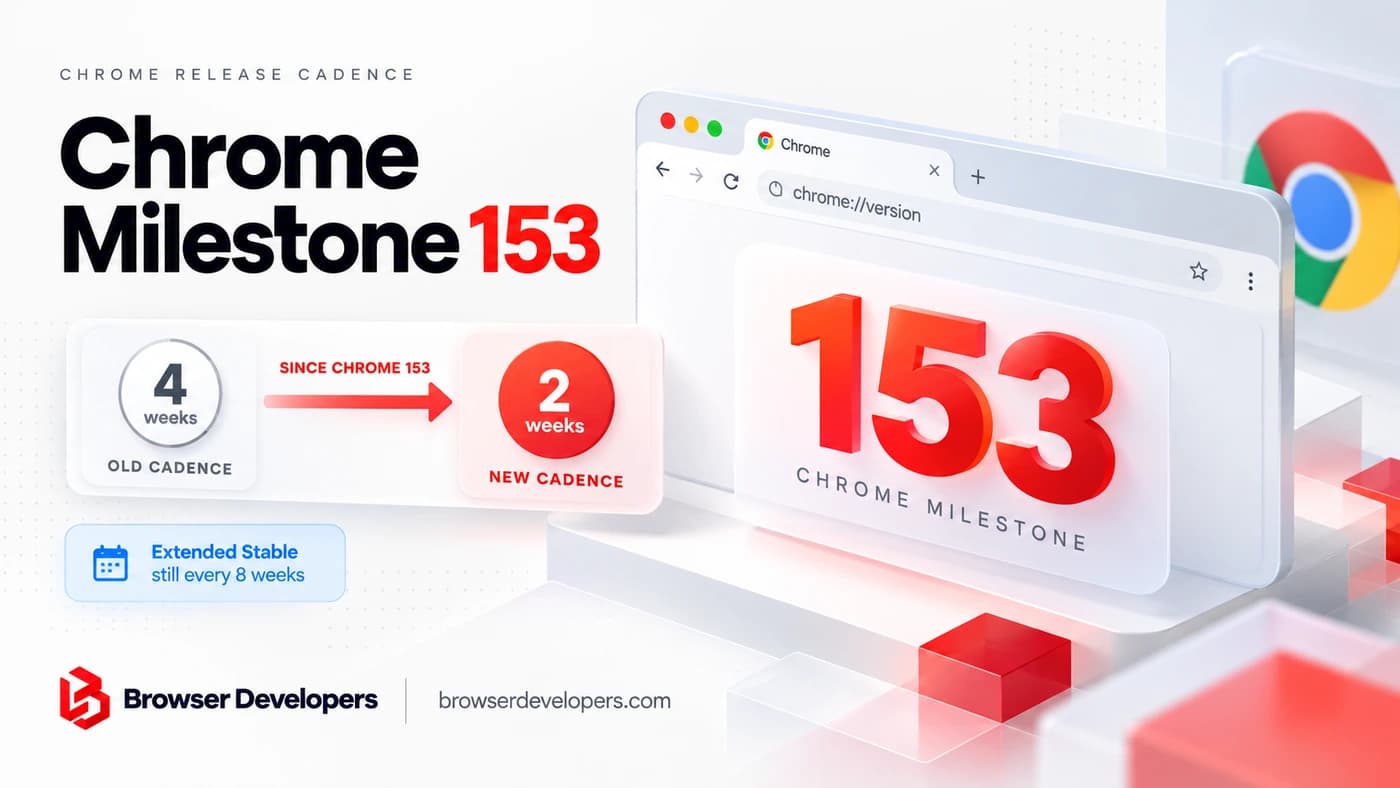
Chrome's two-week release cycle: what fork owners need to know
Chrome now ships a new major version every two weeks. What changed with Chrome 153, who else it affects, and how to decide whether your fork should follow.
Read articleBrowser engineering specialists · 11+ yearsChromium, Firefox, Electron, Tauri

Browser engineering specialists · 11+ years
We build custom Chromium and Firefox browsers, browser extensions and browser-based desktop apps, and keep them current after launch. Our engineers work in the engine source, ship signed releases for Windows, macOS and Linux, and move your changes onto each new Chromium or Firefox version.
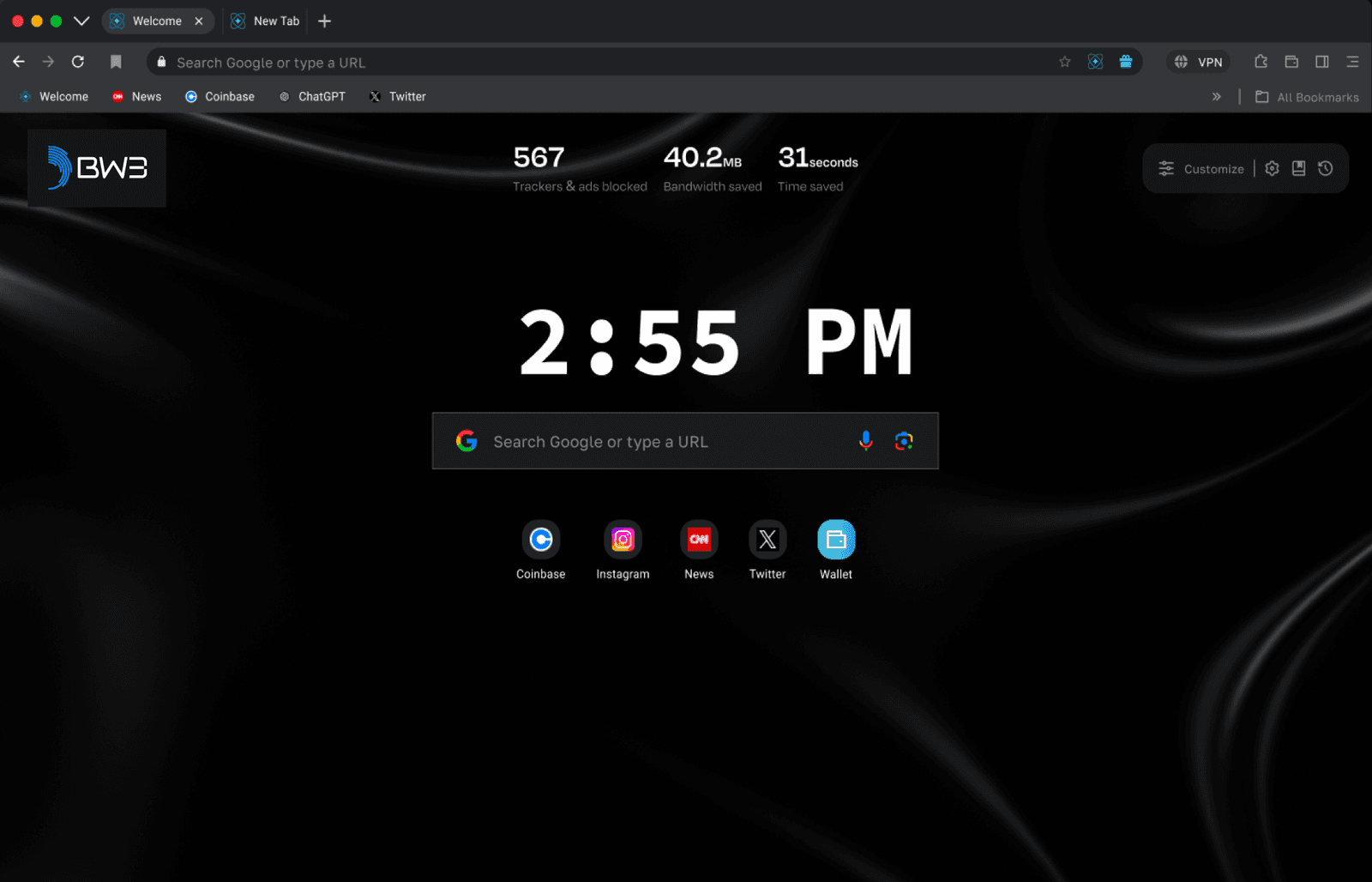

BrowseWeb3 (BW3), Max Browser and Sonmit Browser: products from our case studies.
Browsers we have engineered for our clients
Capabilities
Everything we build runs in or around a browser: engine-level browser work, extensions, desktop apps built on web engines, and the maintenance that keeps them current.
Choosing a direction? Start with a senior engineering review and get a written recommendation on architecture, feasibility and cost.
Production work
Security browsers
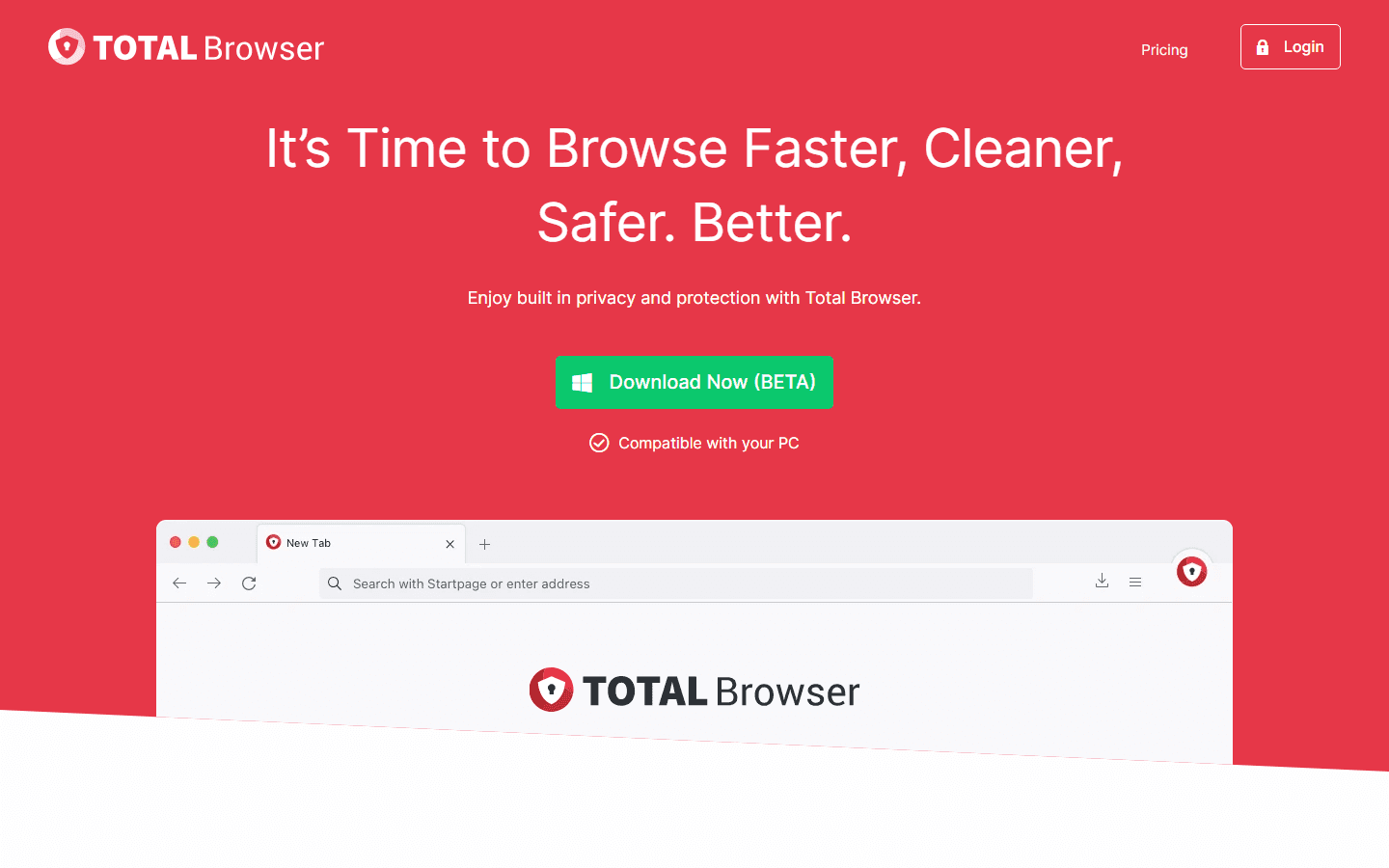
A hardened Chromium browser for Total Security Limited in the UK. We built the browser, its installer and its Omaha-based auto-updater.
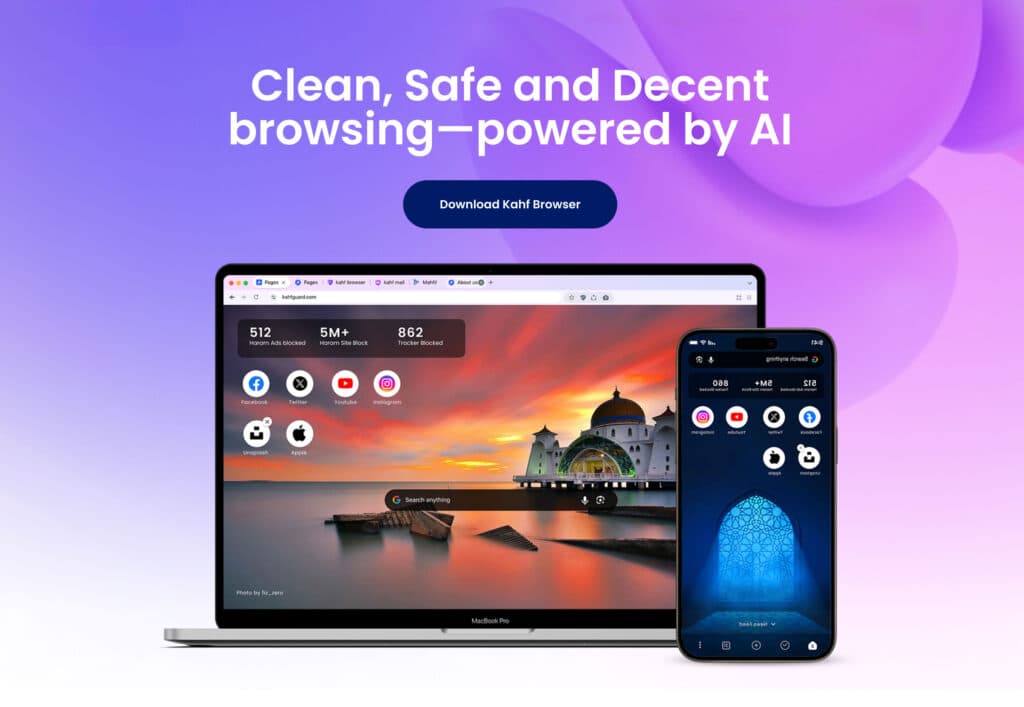
Family-safe and content filtering
A Chromium browser for Muslim families that blurs explicit images with AI as pages load. Kahf reports more than 280,000 active installations.
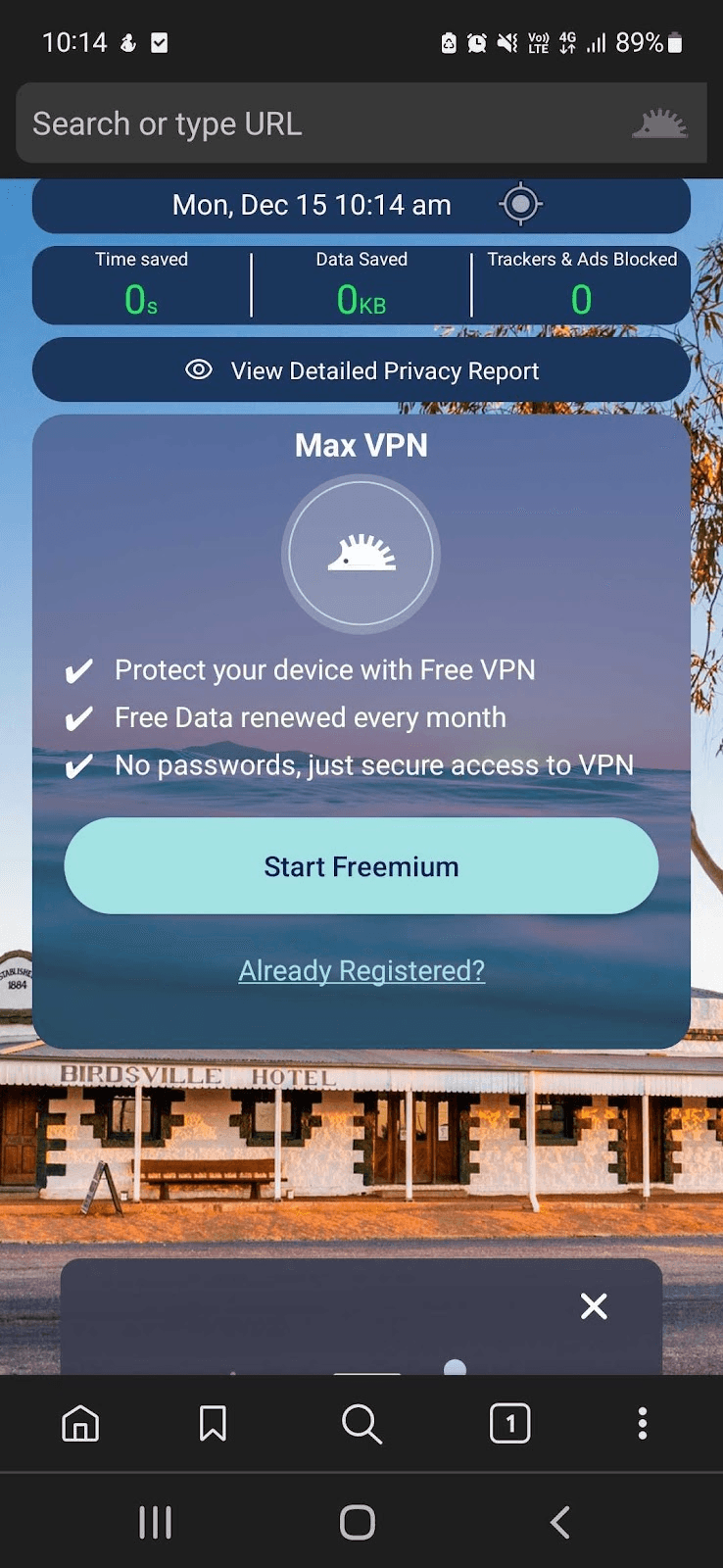
Privacy and anti-fingerprinting
A no-logs Chromium browser for DataBench in Australia. We built its privacy core, its anti-censorship features and its blocking of big-tech tracking and data brokers.
Track record
Custom browsers, extensions, desktop apps and embedded browsers for product teams around the world.
Engine-level expertise
Forking an engine, embedding one in your app and building an extension are different jobs with very different costs. We do all of them, and we tell you which one your product needs.
Engineering depth
Custom browsers, production extensions, desktop software and the senior consulting that helps you decide which of them you need.
We work inside the browser engine: custom Chromium forks, Brave-based browsers and Gecko-based Firefox builds. That covers browser UI and new-tab pages, search and network behavior, privacy hardening and feature porting between versions. After launch, we move your changes onto each new upstream release.
Tech we use
 Chromium
 Firefox
 C++
 Rust
Client reviews

“These guys are amazing. They are God Tier Fast and Efficient. I have worked with many developers, but these guys are the best. We have hired them for long-term engagement now.”
How we deliver
Five stages, each ending in something you can review.
We check whether an extension, embedded browser, custom browser or desktop app is the right approach, and what drives effort.
You get:A written recommendation
We decide where each change lives and how it will be maintained through upstream upgrades.
You get:A technical plan and scope
We implement features and set up reproducible builds for each platform you need.
You get:Working builds to review
Security review of our changes, and regression testing across platforms and upgrades.
You get:Test results
Installers, signing and an update channel, then upgrades on each new upstream release if you want them.
You get:Signed, updatable releases
A clean, well-documented project that your team can run and maintain.
Talk directly to engineers · NDA available
Long-term ownership
Chrome now ships a new major version every two weeks and Firefox every four, and most releases carry security fixes. We run the same rebase, port, test and release cycle for each upstream version you follow, from every stable release to Chrome Extended Stable or Firefox ESR, so your browser stays secure and shippable for years.
Continuous by design
Same five-step cycle, repeated for every release.
You stay secure
Get the latest features and security fixes.
Less effort for you
We handle the complex upgrades and conflicts.
A browser you can rely on
Regressions are caught before your users see them.
Chromium or Firefox publishes a new version, usually with security fixes.
Our changes live as a small, reviewable patch series applied on top. Conflicts surface here.
Adapt to any internal API or build-system changes that came with the new release.
Every platform, full regression pass.
A signed release goes out, and the cycle starts again with the next upstream release.
Repeats for every release
Change summary
What changed upstream and in your patches
Builds per platform
With a test report for each one
Upgrade notes
What broke and how it was fixed
Why Browser Developers
Browser engineering punishes shortcuts. These are the standards we apply to every fork, extension and desktop product we ship.
01
Changes to Chromium and Gecko happen in the engine code itself, not in wrappers on top. That is what makes behavior like privacy controls and policies possible.
02
Our changes live as a patch series you can read, review and rebase. It keeps the fork understandable and upgrades routine.
03
Every fork ships with a documented path for moving to each new upstream release, whether your team or ours does it.
04
If an extension or an embedded browser solves your problem, we say so before proposing a custom browser.
05
We review our own changes for security, and after every rebase we confirm that each upstream security fix is present.
06
Your questions go to the engineers who work on your code, with a project manager keeping the plan on schedule.
From our blog
Cost, timelines, Chromium internals, extensions and desktop frameworks, written by the engineers who do this work for clients.
October 2026
Chrome now ships a new major version every two weeks. What changed with Chrome 153, who else it affects, and how to decide whether your fork should follow.
Read articleSeptember 2026
What sets the cost of a custom Chromium browser: how deep the changes go, platforms, release infrastructure and upkeep, and how to get a written estimate.
Read articleSeptember 2026
Typical time ranges for custom Chromium browsers, extensions and desktop apps, the stages of a browser project, and what makes a project take longer.
Read articleCommon questions
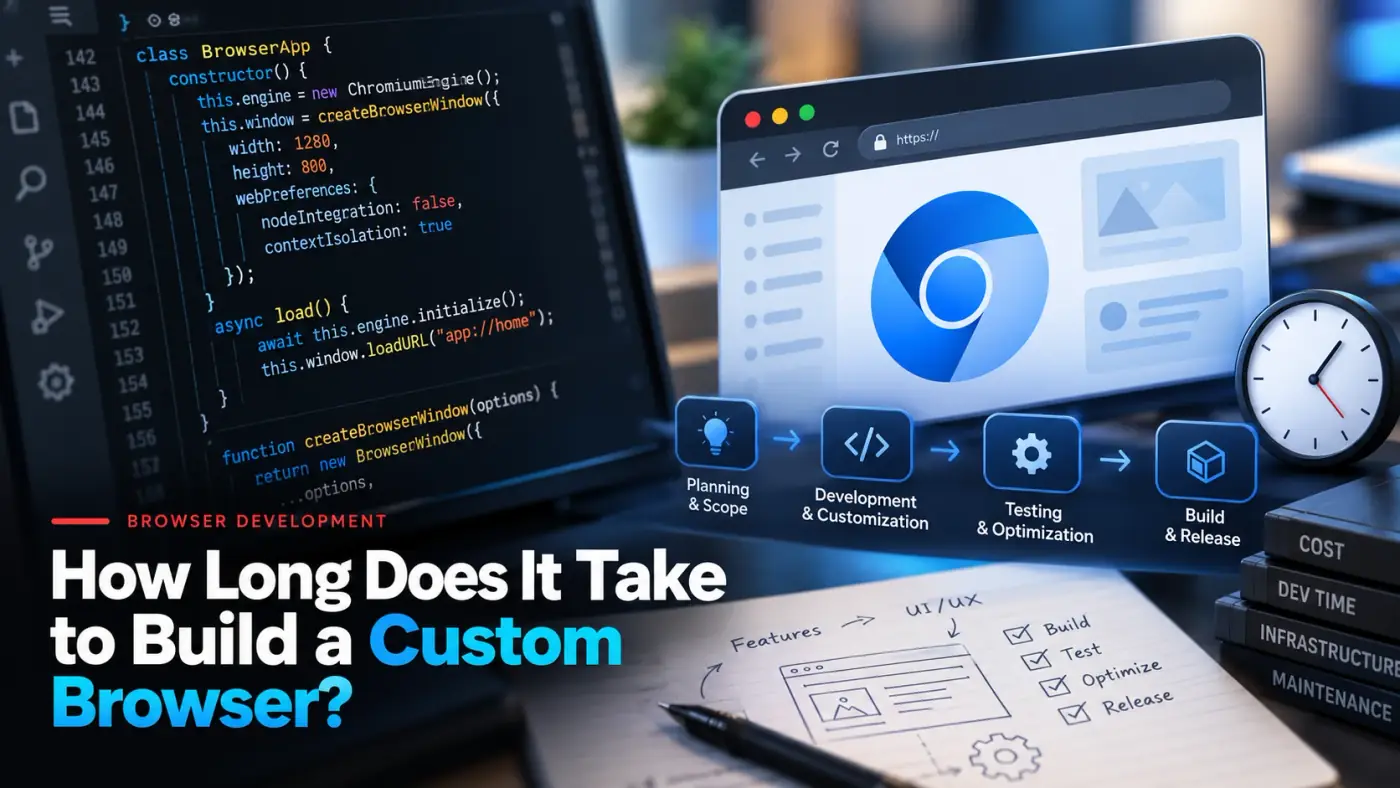
Planning a budget or a launch date? Read what a custom Chromium browser costs and how long a custom browser takes to build.
Browser Developers is a specialist browser engineering company. We build custom Chromium, Firefox and Brave browsers, browser extensions and Electron and Tauri desktop apps, and keep them current after launch. We are a remote engineering team working with clients worldwide, with 11+ years of experience and 300+ projects delivered.
Building your own browser means working inside the engine source (C++, Blink, V8 for Chromium; Gecko, Rust and SpiderMonkey for Firefox), not theming an existing browser. Browser Developers does this work: custom Chromium and Firefox forks with your features, privacy controls and policies, signed cross-platform releases and long-term upgrades to each new upstream version.
Yes. We regularly take over existing Chromium and Gecko forks, extensions and desktop apps: audit the codebase and build system, then continue development or bring a fork that has fallen behind back up to the current upstream release.
Yes. We ship signed builds for Windows, macOS and Linux. We have also built native Android and iOS browsers (see the Sonmit case study). Mobile changes the architecture, so tell us early if you need it.
Yes. Enterprise policies, SSO and identity integration, managed deployment and security controls are part of the engine-level work we do, not add-ons.
Send us a project brief. If it involves browser engineering, extensions, embedded browsers or desktop integration, we can usually scope it.
With a call and a short feasibility review. We tell you whether an extension, an embedded browser, a custom browser or a desktop app fits, and what would drive effort and cost, before you commit to a build.
It depends on scope, platforms and how much engine-level work is involved, so we do not quote a number before a short review. After the review you get a written proposal with milestones. Our guide to custom Chromium browser costs explains what drives the price.
Yes. Ongoing work such as moving a Chromium fork to each new upstream release, security updates and installer or updater maintenance is a common engagement.
Yes, NDA protection is available. We can sign yours or send ours before you share any details.
Start a project
You will talk to an engineer who has shipped production browsers and desktop apps, and get a clear recommendation on approach, risk and what drives cost.