
About Browser Developers
Browser Developers is a specialist browser engineering company. We have built custom Chromium and Firefox browsers, browser extensions and browser-based desktop apps, and kept them current after launch: 300+ projects for clients worldwide.
Who we are
A remote team that works on browsers
Our engineers work as one remote team and serve clients worldwide. Contracts, NDAs and invoices go through our U.S. LLC.
We do one kind of work: difficult browser and desktop software. That means engine-level Chromium and Firefox changes, production extensions, Electron and Tauri apps, and the version upgrades that keep them current. Because this is all we do, we have usually met the problems your project is likely to hit.
11+ years
of browser engineering experience
300+ projects
delivered for clients worldwide
Engine level
changes made in the Chromium and Firefox source
Remote team
experienced engineers working across time zones
Leadership
The people who lead our work
Our head of browser development, our project and product managers, and the engineers who lead each area of our work.
- Ahmed RazaHead of Browser Development
- Imran AhmedBrowser Projects Manager
- Usman KhanLead Chromium Developer
- Bilal AhmedLead Chrome Extension Developer
- Mustafa AhmedLead Firefox Extension Developer
- Shahzaib AliLead Edge Extension Developer
- Muhammad ZainLead Safari Extension Developer
- Imran ShahCross-Browser Extension Lead
- Yasir AhmedBrowser Security Engineer
- Mustafa KhanExtension Product Manager
What we build
Three kinds of work, one team, all built around the browser.
Custom browsers
Chromium and Firefox forks with your features, privacy controls and enterprise policies, delivered as a maintained patch series on top of upstream.
Learn moreBrowser extensions
Production Manifest V3 extensions for Chrome and Chromium browsers, ported to Firefox, Edge and Safari when the same product has to work everywhere.
Learn moreDesktop apps
Electron and Tauri applications for Windows, macOS and Linux, with signed installers, auto-update, native OS integration and production distribution.
Learn moreHow we work
Every project follows the same five steps, and each one ends with something you can review.
Feasibility
We check whether the idea works at the engine or API level and what it will cost to keep.
You get: A written go or no-go with risks and a rough estimate
Architecture
We decide where each change lives: a patch, a flag, an extension or a separate process.
You get: A design note and a milestone plan
Build
We work in short milestones, with each change in a reviewable commit or patch.
You get: Working builds you can run at every milestone
Harden and test
We test on Windows, macOS and Linux, check upgrade paths and fix regressions.
You get: A test report and a release candidate
Release and maintain
We ship signed builds, document the setup and stay available for upstream updates.
You get: Release builds, documentation and a handoff session
Our principles
Five rules we work by
The habits that keep our projects maintainable years after delivery.
Work in the source, not wrappers
If a feature needs a change inside Chromium or Gecko, we make it there. A thin shell around an existing browser cannot deliver engine-level behavior.
Small, reviewable patches
Every change is kept small and documented so your engineers can read it, question it and rebase it. No opaque code drops.
Plan upgrades from day one
Chromium ships new major versions regularly, with security fixes in between. We isolate our changes so version updates are routine work instead of a rewrite.
Recommend the cheaper option when it is enough
Sometimes an extension or a configuration change does the job. We say so, even when it means a smaller project.
Clean handoff
Every project ends with documentation, build instructions and a working session, so your team can run and extend what we deliver.
Selected case studies
Browsers we have built for clients around the world. Each case study covers the scope and the engineering work we did.
Security browsers
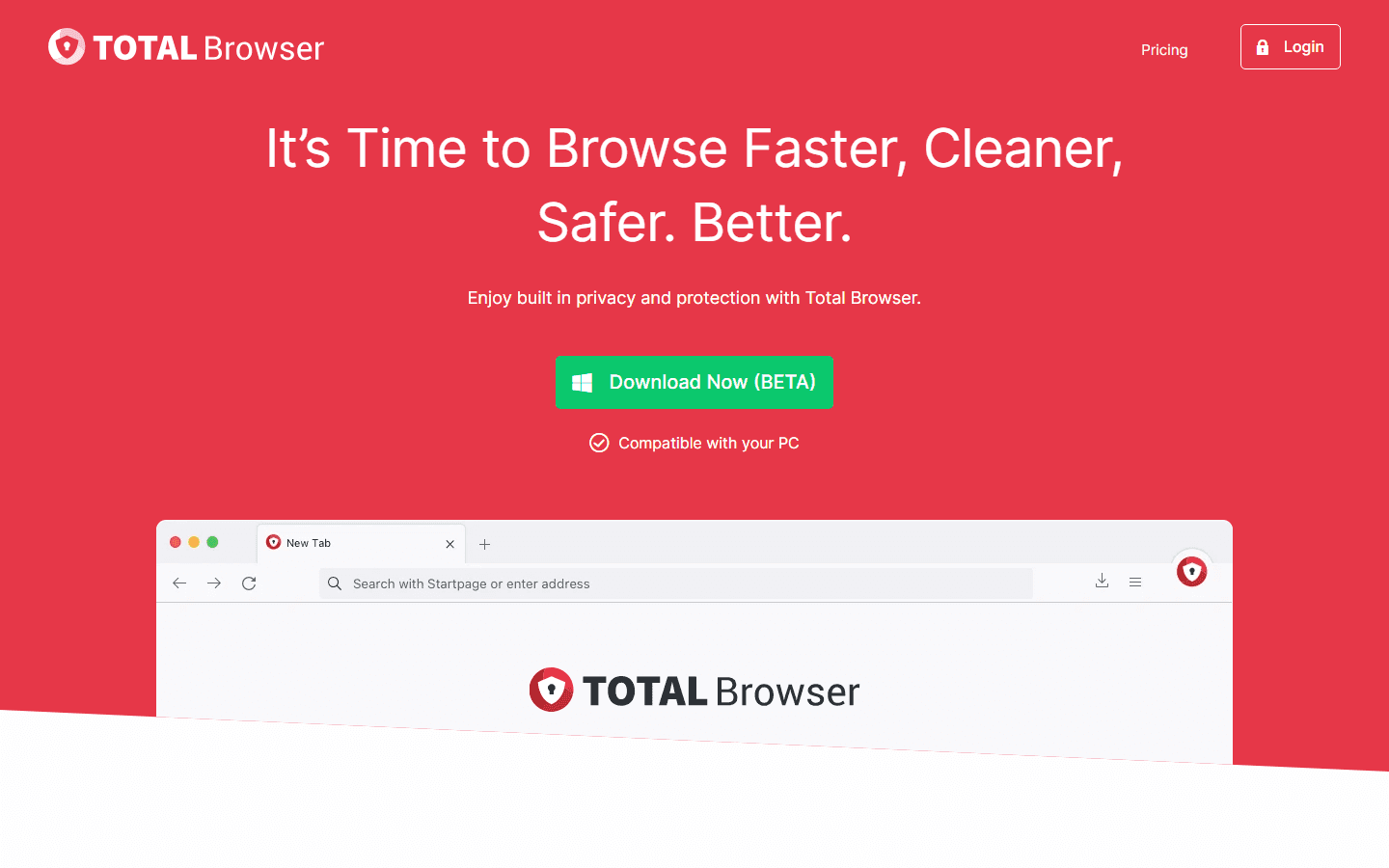
Total Security Browser
A hardened Chromium browser for Total Security Limited in the UK. We built the browser, its installer and its Omaha-based auto-updater.
- Omaha
- Installer
- Security hardening

Web3 browsers
GTX Browser
The Web3 browser of the GWorld ecosystem. We added IPFS, a gtx:// protocol and a built-in wallet to Chromium, then moved the fork from Chromium 98 to 114.
- IPFS
- Custom protocol
- Wallet
Family-safe and content filtering
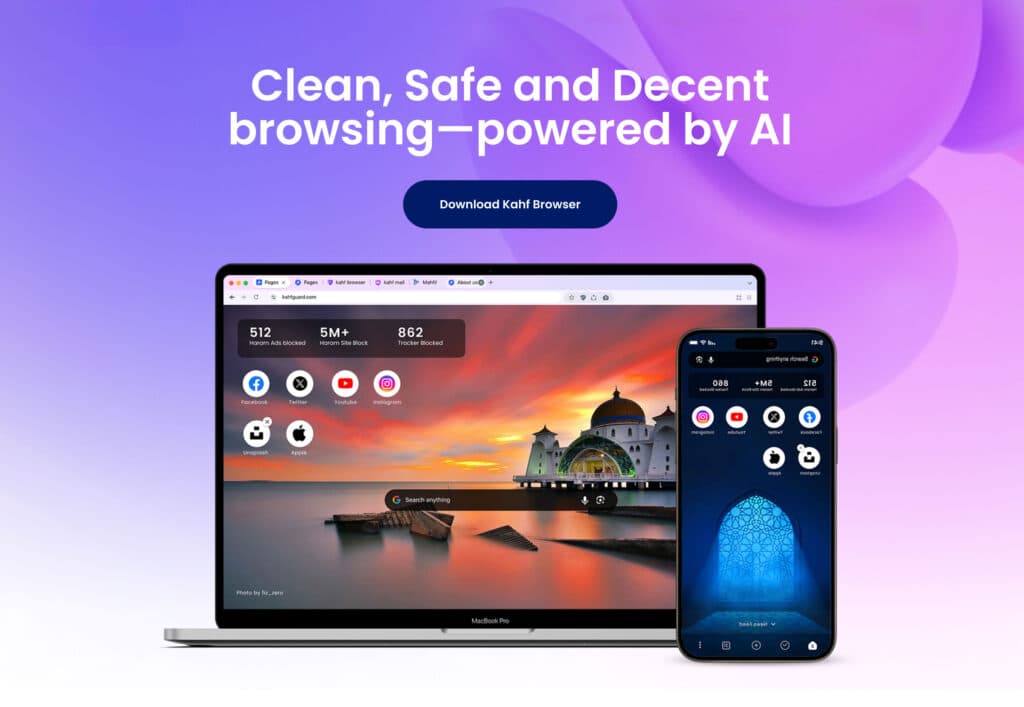
Kahf Browser
A Chromium browser for Muslim families that blurs explicit images with AI as pages load. Kahf reports more than 280,000 active installations.
- AI filtering
- Content blurring
- Privacy
Our tech stack
The tools and technologies we use
What we use to build, test and ship browsers, extensions and desktop apps.
Browser engines and platforms
Engines we build on, modify and embed, and the browsers we build extensions for.
 Chromium
 Firefox / Gecko
 Brave
 OperaCEF
 WebView2
 WebAssembly
Extension technologies
Extension APIs and tooling we use to build and test extensions.
Chrome APIsweb-extDesktop frameworks
Frameworks for cross-platform desktop apps on Windows, macOS and Linux.
 Electron
 Tauri
 Rust
Front end and web
Web interfaces and developer tooling built with common, well-supported technology.
 React
 Next.js
 TypeScript
 Vue.js
 Angular
 Tailwind
 Astro
Languages
The languages we write engine, backend and tooling code in.
 C++Rust
 Python
 Node.jsTypeScript
 C# / .NET
Infrastructure and DevOps
Cloud services and pipelines for builds, releases and back ends.
 Docker
 Firebase
 Supabase
 AWS
 Azure
 GitHub Actions
Questions about working with us
We specialize in custom browsers based on Chromium and Firefox, production browser extensions for Chrome, Firefox, Edge, Brave, Opera and Safari, and desktop applications with Electron and Tauri. We also do browser security and privacy engineering, version porting, browser QA and consulting.
We are a remote engineering team serving clients worldwide. Contracts, NDAs and invoices go through our U.S. LLC. We agree call times that suit your time zone and send written updates at each milestone.
Yes. We are glad to sign your NDA, or send ours, before you share any product details or code.
It starts with a call to understand what you want to build. We then do a short feasibility review and send a written summary of the approach, the risks and an estimate, so you can decide before committing to a full build.
Yes. We start by reading the codebase and its build setup, then agree on what to fix, port or maintain. This includes forks that have fallen behind upstream.
Windows, macOS and Linux for desktop browsers and apps. We have also built native Android and iOS browsers. We test builds on each platform we ship for, and we plan for the differences in installers, signing and updates from the start.
Tell us what you're building
Custom browser, cross-browser extension or desktop app: describe the goal and a browser engineer will tell you how we would build it, what drives the cost and what it takes to maintain.