

Fintech
Secure browsers and desktop software for fintech
Banks, trading platforms and payment companies need browsers and desktop clients they can defend in an audit: a small attack surface, controlled data flows, signed updates and a record of every change. We build hardened Chromium browsers, reviewed extensions and signed desktop apps, and we keep them patched on each upstream security release.
Engineering problems
What fintech security and product teams ask us for
A browser your security team controls
Regulated work often needs control over copy and paste, downloads, printing and screenshots in sensitive apps, and a fixed list of approved extensions. We build these controls into a Chromium browser you own, enforced in the browser itself rather than by settings a user can change.
Session theft and man-in-the-browser attacks
Malicious extensions and injected scripts are a common way banking sessions are stolen. We limit extension installs to an allowlist, isolate sessions per customer or workspace, and support passkeys (WebAuthn) and step-up authentication with your identity provider.
Payment pages under PCI DSS 4.0
Requirements 6.4.3 and 11.6.1 ask for an inventory of every script on a payment page and alerts when scripts or security headers change. We build browser-side checks and headless Chromium monitoring that help you produce that evidence.
Signed releases and a clear change record
Code signing, documented build steps, an update channel you run and release notes tied to each patch, so a security fix reaches every desk quickly and auditors can see what changed and why.
How we help
Services that apply
Related work
Related work from other industries
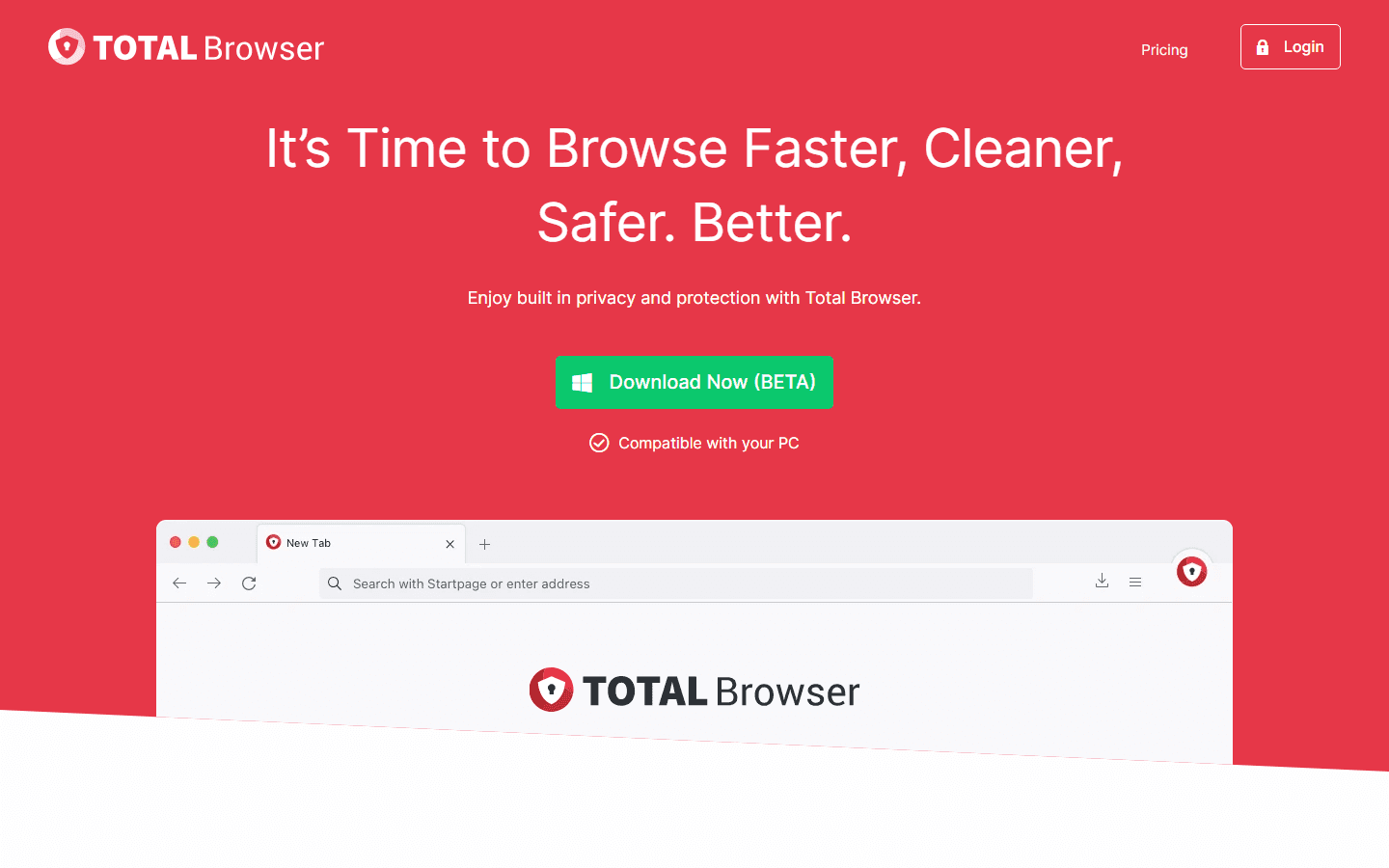
We have not published case studies from financial services. Total Security Browser uses the same engineering: a hardened Chromium browser for a security software company, with its own installer and an Omaha-based auto-updater.
From a security client
“An accomplished software developer recognized for exceptional contributions in browser development, automation, and cross-platform applications.”
FAQ
Common questions
No. Certifications such as PCI DSS and SOC 2 belong to your organization. We build to your security and audit requirements and hand over the documentation, test results and change records your assessors ask for.
For internal staff, a commercial enterprise browser is often the faster choice. A browser of your own makes sense when you ship it to customers, need controls or branding a vendor does not offer, or cannot send browsing data through a third party. We will tell you which case you are in.
Yes. We review the current build, agree what to remove or restrict, and deliver the changes as reviewable patches with a test plan.
Chrome now ships a new major version every two weeks, with security updates in between. We agree a patch window with you, for example critical fixes within days, and run the build, testing and signed release on that schedule.
No. We work with code, test accounts and synthetic data. If access to a production system is ever needed, it is agreed in writing and limited to the task.
Next step
Discuss your fintech project
Book a call or send a short brief. Our engineers have built browsers, extensions and desktop apps for 11+ years, and will give you a clear view of the approach, the risks and what drives the effort.