

Ecommerce
Browser extensions and desktop tools for ecommerce teams
Sellers, brands and agencies spend their day in Seller Central, Shopify admin, eBay and a dozen other tabs. Extensions and desktop tools can save hours of copying and checking in product research, listing, pricing and order work. We build them on official APIs where they exist, design them to absorb page changes, and fix them fast when a marketplace changes something.
Engineering problems
What ecommerce teams need from browser tools
Built on official APIs
Amazon’s Selling Partner API, the Shopify Admin API and eBay’s APIs are the supported way to read orders, listings and prices. We use them first, keep on-page features to what the user is doing on screen, and stay within each marketplace’s developer and data policies.
Pages that change without warning
Content scripts built around stable parts of the page, with automated checks against the live pages, so a marketplace layout change is caught and fixed before your users report it.
Store review and affiliate rules
Narrow permissions pass Chrome Web Store, Edge and Firefox review faster. Coupon and cashback extensions must also follow Chrome’s 2025 affiliate rules: disclose the program, and apply a code only after the user acts and only when it gives them a discount.
Many stores, one team
Agencies and brands manage several storefronts. Separate connections and profiles per store keep logins, cookies and customer data apart, within each marketplace’s account rules.
How we help
Services that apply
Related work
Related work from other industries
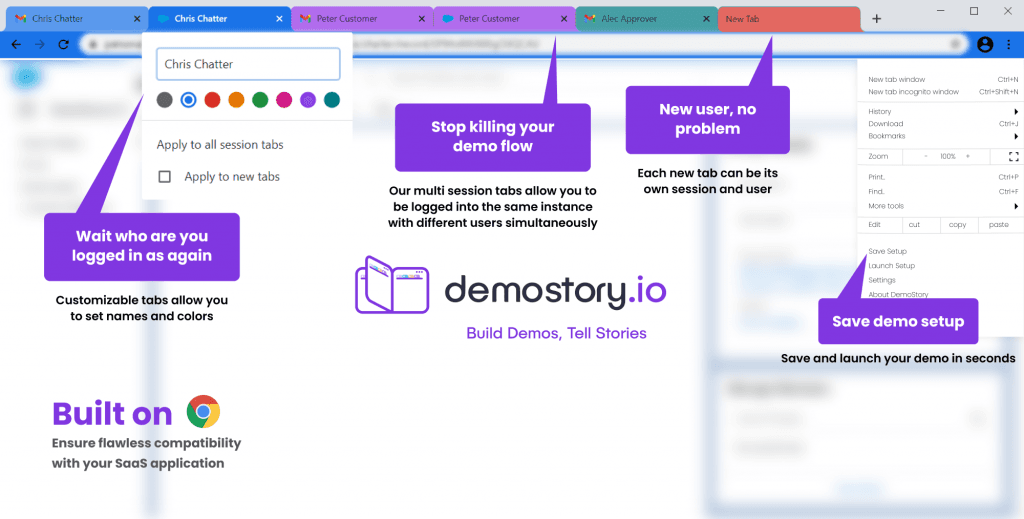
We have not published case studies from ecommerce. DemoStory shows related engineering: a Chromium browser with a separate logged-in session in each tab, plus the payment system and admin dashboard we built to sell it as a hosted service.
From a Chrome extension client
“This is the second time I have asked for alterations to my Chrome extension. He initially developed it, and I will be using him more, since my time is limited building other applications in PHP and Perl.”
FAQ
Common questions
No one can promise that, because you do not control those pages. We use official APIs where possible, build page features to tolerate change, monitor the pages the extension depends on and fix breakage as part of maintenance.
Yes, within store rules. Since 2025, Chrome requires affiliate programs to be disclosed, and affiliate codes to be applied only after a user action and only when the user gets a direct benefit. We design the flow and the store listing to meet those rules.
We use official APIs, such as Amazon’s Selling Partner API and the Shopify Admin API, wherever they cover the need. We do not build bots that log in with stored seller passwords or collect data that a marketplace’s terms forbid.
Yes. Each store gets its own connection and data, so an agency can manage clients side by side without mixing logins or customer data.
Next step
Discuss your ecommerce project
Book a call or send a short brief. Our engineers have built browsers, extensions and desktop apps for 11+ years, and will give you a clear view of the approach, the risks and what drives the effort.