
Crypto & Web3
Web3 browsers and wallet extensions, built and shipped
Web3 products need a browser that treats wallets, signing and decentralized content as core features, and that protects users who are targeted for what they hold. We have shipped Web3 browsers including GTX Browser, Minego, ORBITi and BW3, all Chromium-based, and we moved GTX from Chromium 98 to 114. We also work in brave-core when Brave is the better base.
Engineering problems
What crypto and Web3 teams need from a browser
Wallets that work with every dApp
A built-in or extension wallet that exposes an EIP-1193 provider, announces itself through EIP-6963 so it can sit next to MetaMask and other wallets, and handles connection requests and chain switching the same way every time.
Keys, signing and custody
Seed phrases and keys encrypted at rest and kept out of storage that web pages or other extensions can reach. Signing prompts decoded into plain language, including EIP-712 typed data, and support for hardware wallets.
Phishing and drainer protection
Known drainer and look-alike domains blocked before the page loads, warnings on unlimited token approvals and on new or look-alike recipient addresses, and blocklists that update without a new browser release.
Decentralized content
ipfs:// links and custom schemes such as gtx:// or orbit:// resolved in the browser, through a gateway you choose or a local node. Brave removed its built-in IPFS support in 2024, so a Brave-based product needs its own approach.
How we help
Services that apply
Proof
Web3 browsers we have shipped
Each case study lists what we built: wallets, custom protocols, IPFS, VPNs and ecosystem logins.

Web3 browsers
GTX Browser
The Web3 browser of the GWorld ecosystem. We added IPFS, a gtx:// protocol and a built-in wallet to Chromium, then moved the fork from Chromium 98 to 114.
- IPFS
- Custom protocol
- Wallet
Web3 browsers
Minego Browser
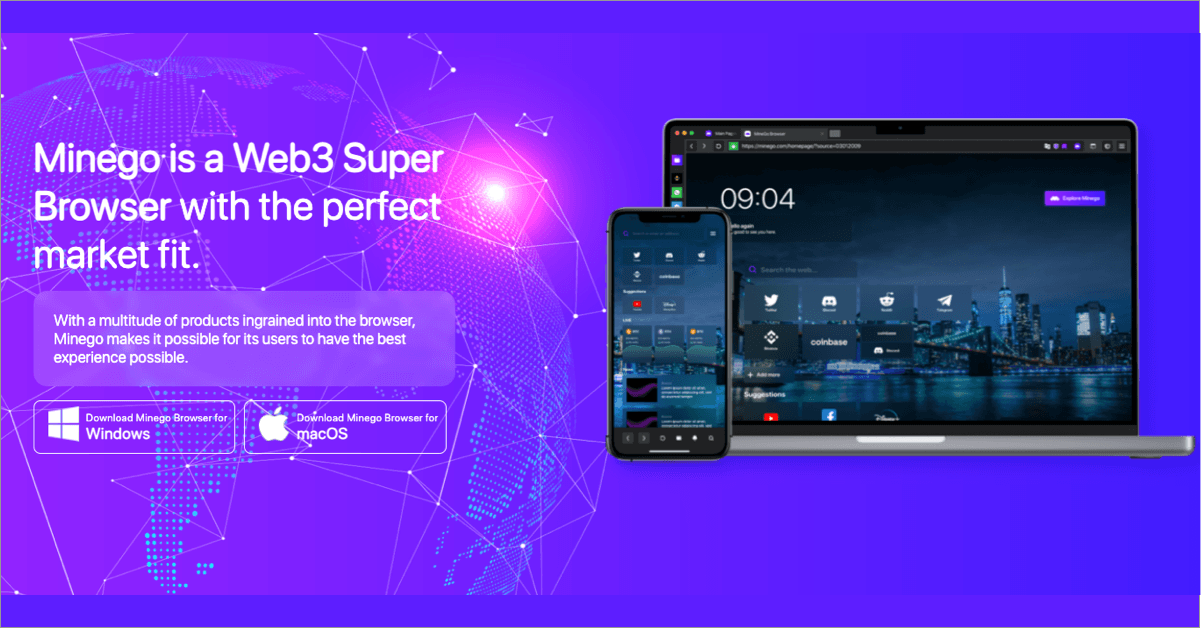
Minego’s Web3 “Super Browser”. We built it on Chromium with a wallet protocol, a VPN, a side panel and entry points to Minego’s games, launchpad and DAO.
- Web3
- Wallet
- VPN
Web3 browsers
ORBITi Browser
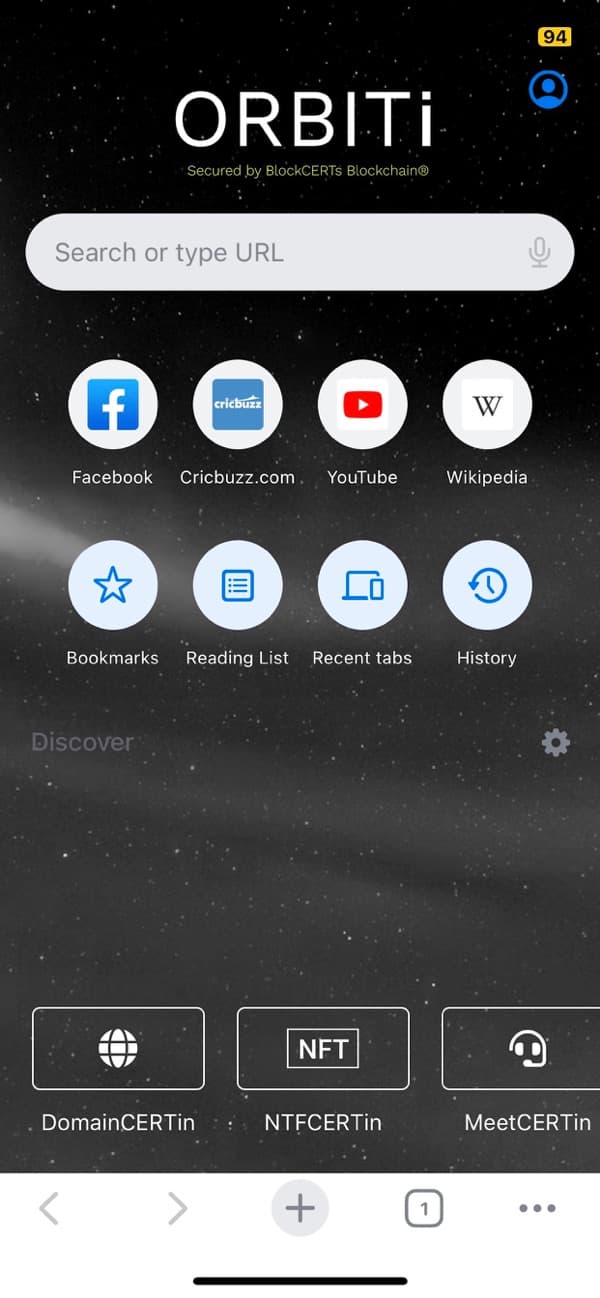
A Web3 browser for BlockCerts. We built it on Chromium with its own orbit:// URL scheme, BlockCerts sign-in, ecosystem notifications and built-in chat.
- Web3
- Custom protocol
- Notifications
Web3 browsers
BrowseWeb3 (BW3)
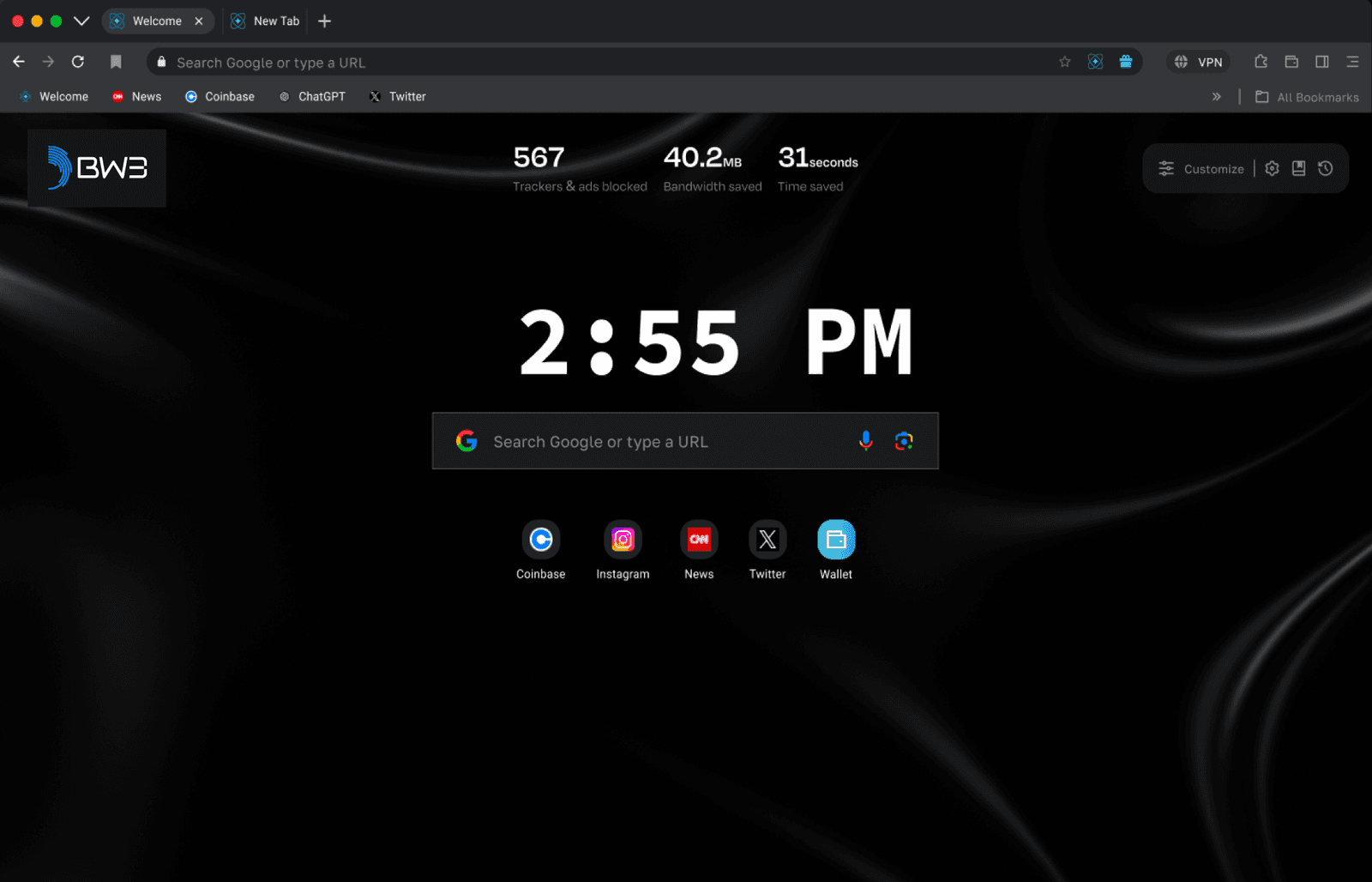
A Chromium/Brave-based Web3 browser for LayerAI, with a built-in wallet, a native VPN and custom ad blocking, so users need no extensions.
- Brave
- Web3
- Wallet
From BlockCerts, the company behind ORBITi
“Excellent coder for Chromium based browsers. He was good and timely, and even tried to work in a few extra things I wanted that were not part of the original project.”
FAQ
Common questions
Yes. We have shipped Web3 browsers including GTX Browser, Minego, ORBITi and BW3. Each has a case study in our projects section.
Brave gives you Shields ad and tracker blocking and Brave Wallet to start from, but you follow two upstreams, Brave and Chromium, on every release. A Chromium fork has one upstream and more freedom, and you build the wallet and blocking yourself. We recommend one after a short review.
In a self-custody wallet, your users do. Keys are created and encrypted on their device and never reach us or your servers. If your product uses custodial or MPC wallets, we design around your custody provider instead.
An extension reaches users in the browser they already use and ships faster. A wallet built into your own browser can protect keys and signing prompts more tightly and cannot be removed by accident, but you then maintain a browser. Many teams start with an extension.
Yes. We move your patches onto new Chromium releases and test the wallet and protocol handlers on each one. GTX Browser, for example, moved from Chromium 98 to 114.
Next step
Discuss your crypto or Web3 project
Book a call or send a short brief. You will hear from engineers who have shipped this kind of software, with a clear view of the approach, the risks and what drives the effort.