

Healthtech
Browser and desktop software for clinical settings
Healthcare software runs on shared workstations, inside EHRs and next to medical devices, where one mistake can expose patient data. We build locked-down browsers, embedded web views, extensions and desktop apps for healthtech teams, with safeguards for protected health information (PHI) built in and a tested update process that does not break clinical workflows.
Engineering problems
What healthtech teams need from browser and desktop software
Shared clinical workstations
Staff move between patients and machines all day. We build browsers and apps that support badge tap-in and fast user switching, log off after inactivity and clear the session, so the next user never sees the last patient.
Inside the EHR
SMART on FHIR apps open inside the EHR’s embedded browser with the patient already in context. We build and test for those embedded browsers, and build extensions that work alongside web-based EHR and practice-management systems.
PHI kept out of the wrong places
No patient data in logs, crash reports, caches or analytics, local data encrypted, and audit logs of who opened what. These are the technical safeguards HIPAA expects, built in from the start.
Patient kiosks and devices
Check-in kiosks and bedside tablets that open one approved app, and desktop apps that talk to wristband scanners, label printers and signature pads through a defined native bridge.
How we help
Services that apply
Related work
Related work from other industries
We have not published case studies from healthcare. These projects use the same engineering: a patched CEF build that shows web content inside a company’s Windows desktop app, and a hardened Chromium browser with its own installer and auto-updater.
Embedded browsers (CEF)
CEF Transparency
A Windows build of the Chromium Embedded Framework (CEF) with see-through windows: transparent parts of a web page show whatever is behind the app window.
- CEF
- Windows
- Transparent rendering
Security browsers
Total Security Browser
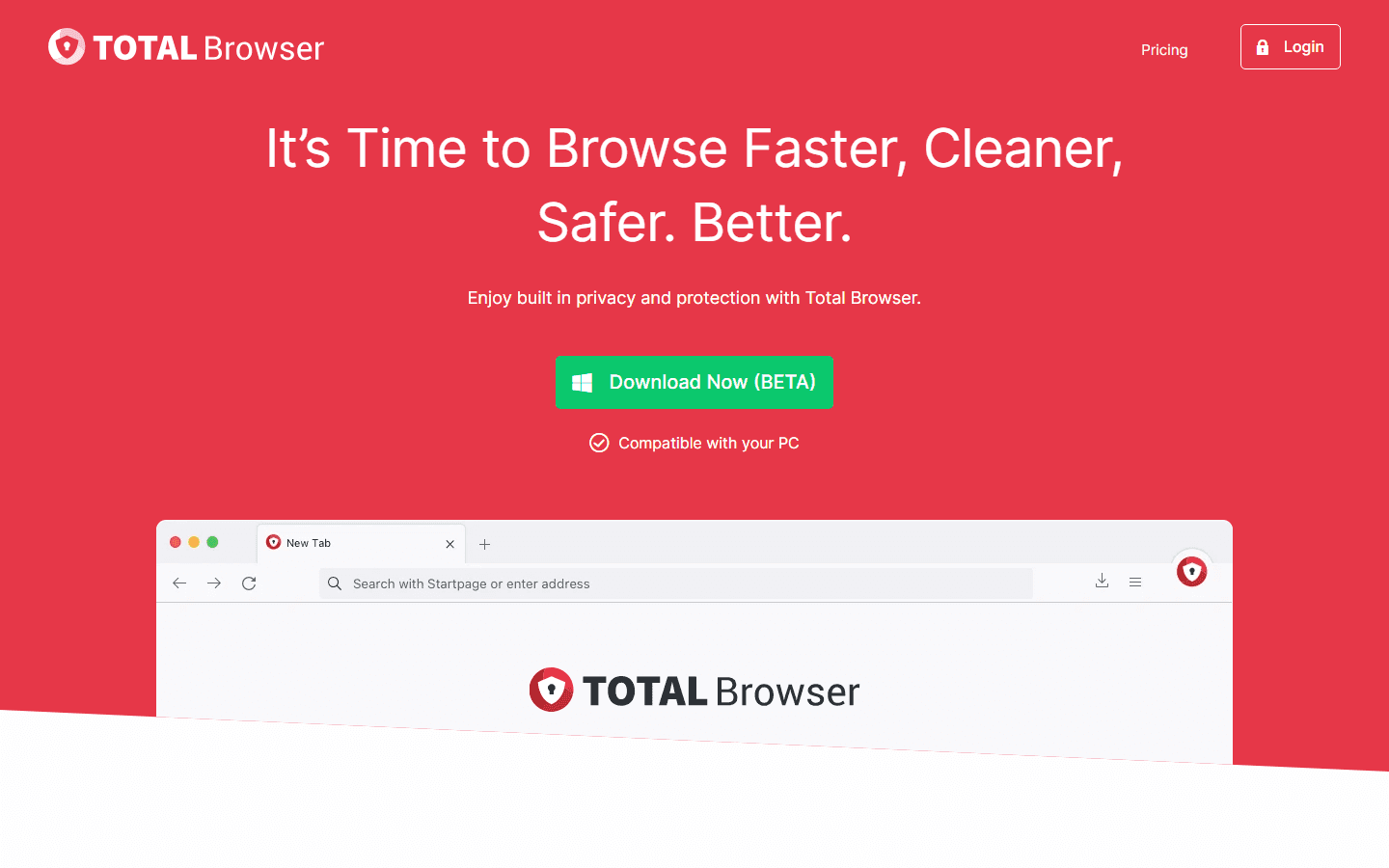
A hardened Chromium browser for Total Security Limited in the UK. We built the browser, its installer and its Omaha-based auto-updater.
- Omaha
- Installer
- Security hardening
FAQ
Common questions
HIPAA applies to your organization and to the business associates that handle PHI for you. In most projects we work only with code and test data, never real patient data. If a project does need access to PHI, we agree how before any work starts, including whether a business associate agreement is needed. Either way, we build the safeguards HIPAA expects: automatic logoff, audit logging, encryption and no PHI in logs or caches.
Yes. We build the web app and its launch flow, and test it in the EHR’s embedded browser and sandbox before you submit it to the EHR vendor’s own review.
Yes. The browser opens to one approved app, blocks everything else, clears the session on logout and restarts itself after a crash.
Yes. Many hospitals deliver apps through virtual desktops. We test installation, graphics and device redirection in that environment early, because it changes what works.
Next step
Discuss your healthtech project
Book a call or send a short brief. Our engineers have built browsers, extensions and desktop apps for 11+ years, and will give you a clear view of the approach, the risks and what drives the effort.